
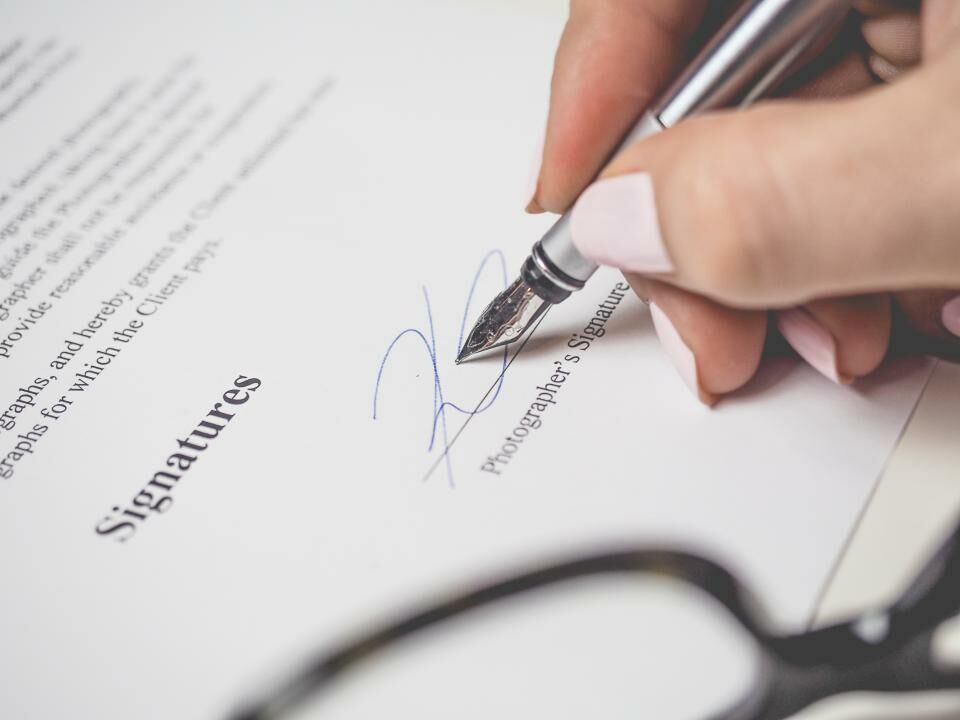
Signing a contract used to mean printing it, signing in ink and posting it back. Today most business owners click a box or draw a signature on a screen. That raises a fair question. Is an electronic signature as good as one in pen?
In many cases the answer is yes, but there are conditions. This article explains the main Australian laws on electronic signing and what makes a signature valid. It also covers company documents and where extra care is needed. It is general information only, and laws differ between states and change over time.
The law that makes electronic signing work
The main federal law is the Electronic Transactions Act 1999 (Cth). The Attorney General’s Department says it confirms that many paper document processes can be done electronically. It sets a default rule that signatures can be made electronically as well as in wet ink. It also sets a default rule that documents can be sent and kept electronically.
Section 8 of the Act says a transaction is not invalid under a Commonwealth law just because it happened electronically. That covers a deal done wholly by email or through a signing platform. It also covers one done partly on paper and partly online. The key is meeting the conditions the Act sets for signatures and writing.
The federal Act has limits. The Attorney General’s Department notes that it applies only to Commonwealth laws and can be exempted. Each state and territory has its own Electronic Transactions Act for its own laws. So the rules for a document governed by state law may differ from the federal ones.
What makes an electronic signature valid
Section 10 of the Act sets out when a signature requirement is met electronically. First, the method must identify the person and show their intention about the information. Typing a name, drawing a signature or clicking an approval button can all do this. What matters is that it is clear who signed and that they meant to agree.
Second, the method must be reliable enough for the purpose. The Act says it must be as reliable as appropriate in light of all the circumstances, including any relevant agreement. A method can also pass if it is proven in fact to have identified the person and shown their intention. A large contract may call for a stronger method than a simple order form.
Third, the person receiving the signature must consent to it being given that way. The Act says consent can be reasonably inferred from the conduct of the person concerned. If a supplier sends you a contract through a signing platform, that usually shows they accept it. Where the recipient is a Commonwealth entity, it may set its own technology requirements instead.
Sending and keeping documents electronically
The Act also deals with writing. Under section 9, information given electronically can meet a requirement for writing. It must be readily accessible so it can be used for later reference. For most businesses, that means keeping a copy that can be opened and read again.
Good records matter for more than the law. If a dispute comes up, you will want the signed version and the trail showing who signed and when. Most signing platforms produce an audit record for this reason. Keep it with the final document in a safe place.
A smooth signing process also helps your customers. The ideas behind simpler web experiences apply here too. Fewer steps and clear instructions make people more likely to finish. They also cut the risk of someone signing the wrong version.
Company documents and the Corporations Act
Companies have their own signing rules under the Corporations Act 2001 (Cth). Amendments made in 2021 and 2022 now allow companies to sign, execute and send documents electronically. Treasury describes the changes as taking an approach that does not favour any particular technology. The same amendments allow companies to hold virtual meetings.
An independent panel later reviewed how well these changes were working. It made 11 recommendations in its final report. The government agreed or agreed in principle to all of them. Its response was tabled in both houses of parliament on 4 February 2025.
Directors should take signing seriously, whatever the method. A signature can bind the company to obligations that last for years. Some of those obligations can also fall back on the people in charge. Our article on costs company directors can be held personally liable for explains why that matters.
Where extra care is needed
Not every document can be signed in any way you like. The federal Act allows regulations to switch off some or all of its rules for certain laws and transactions. It also does not apply to the practice and procedure of courts and tribunals. Other laws may require a particular signing or identification method.
Documents governed by state or territory law follow that jurisdiction’s rules. Some documents need a witness, and witnessing rules can differ from place to place. Property, family and estate documents are areas where formal rules are common. Check the current rules in your state before signing anything of this kind online.
Big purchases deserve the most care. If you are buying a business, the sale contract may be signed online after weeks of checking. Our guide to due diligence when buying a business covers that checking. Make sure everyone signs the same final version of the contract.
Practical steps for your business
Choose a signing method that matches the size of the deal. A clicked approval may suit a small, routine order. A larger contract may call for a platform that confirms identity and records each step. Think about what you would need to prove if the other party later denied signing.
Get the other party’s agreement to sign electronically. Say so in the contract or in the email that sends it. Keep copies of the signed document and the signing record together. Store them where they can be found years later.
When the stakes are high, get advice before you sign. A lawyer can tell you whether a document has special signing or witnessing rules. That is one of the advantages of hiring a commercial lawyer for regular business deals. It costs far less than fixing a contract that turns out to be invalid.
For an official summary, read the Attorney General’s Department page on electronic signatures, documents and transactions. Treasury has also published the government response on electronic company documents and meetings. Both are useful starting points. Neither replaces advice about your own situation.
Frequently asked questions
Is a typed name a valid signature?
It can be, under the Electronic Transactions Act 1999 (Cth). The method must identify you and show you intended to agree. It must also be reliable enough for the purpose, and the other party must consent.
Can a company sign a contract electronically?
Yes, amendments to the Corporations Act 2001 (Cth) made in 2021 and 2022 allow it. Companies can sign, execute and send documents electronically. The company’s own constitution and the type of document still matter.
Do the same rules apply in every state?
No, the federal Act covers Commonwealth laws only. Each state and territory has its own Electronic Transactions Act. Documents under state law follow that state’s rules.
What records should I keep after signing online?
Keep the final signed document and the signing platform’s record of who signed and when. Store them where they can be opened and read later. This helps if a dispute ever comes up.
This article is general information about Australian law and is not legal advice. Laws and processes differ by state and territory and change over time. Please speak with a qualified lawyer about your own circumstances.